

Clarity isn’t neutral
Thing Magazine was started in 2023 by The Thing Agency as a platform for critical cultural discourse. Their presentation included ideas from Design and Fascism, which examines the relationship between functionalist design, Western Enlightenment values, and authoritarian and fascist movements.
The most provocative line in their presentation was projected on screen: “The problem with fascist design is it often doesn’t look fascist.”
Modernist craft can make almost any message appear credible. It was a reminder that we have a responsibility to consider not only how persuasively we communicate, but also what we are helping to persuade people of. Before congratulating ourselves on a clean layout, we should take ownership of the causes our skills serve.
Simplicity isn’t always the solution to complexity
Irene Pereyra of Anton & Irene presented a passion project called 21st Europe, an interdisciplinary network of forward thinkers working together on a blueprint for Europe’s future.
Their central insight is that the complexity of unifying diverse cultural and political interests is better addressed through orientation than oversimplification. Designers are trained to reduce options and streamline differences. But Europe’s nuances, they argued, should be made easier to navigate rather than designed away.
Speaking to design’s role in shaping that future, Pereyra put it neatly: “Policy can set direction, but it still needs an interface.”
Endings are as important as beginnings
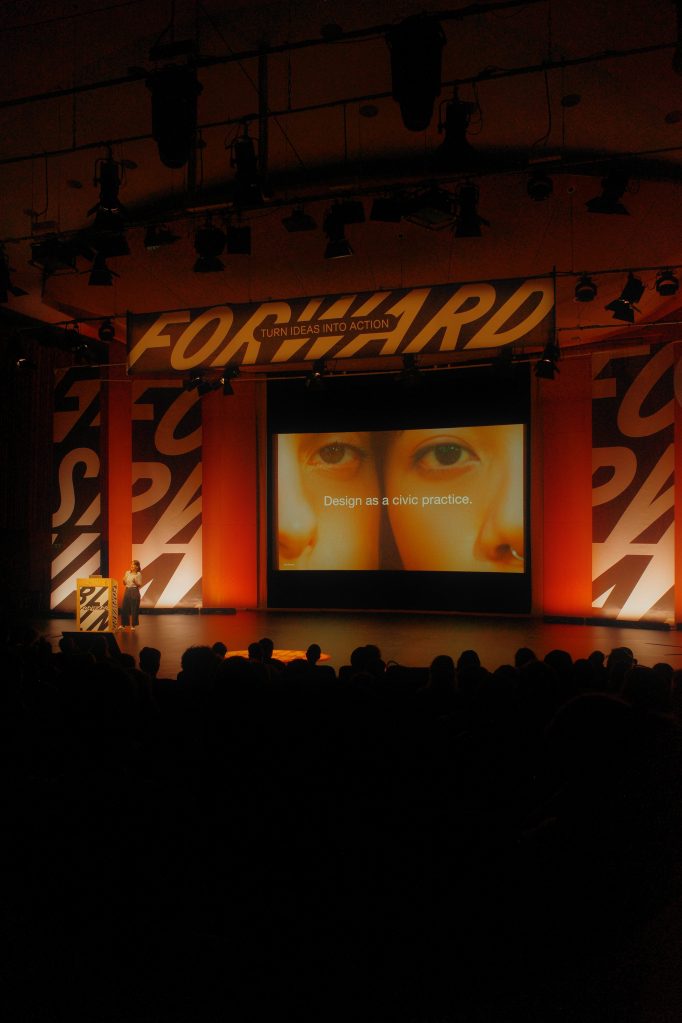
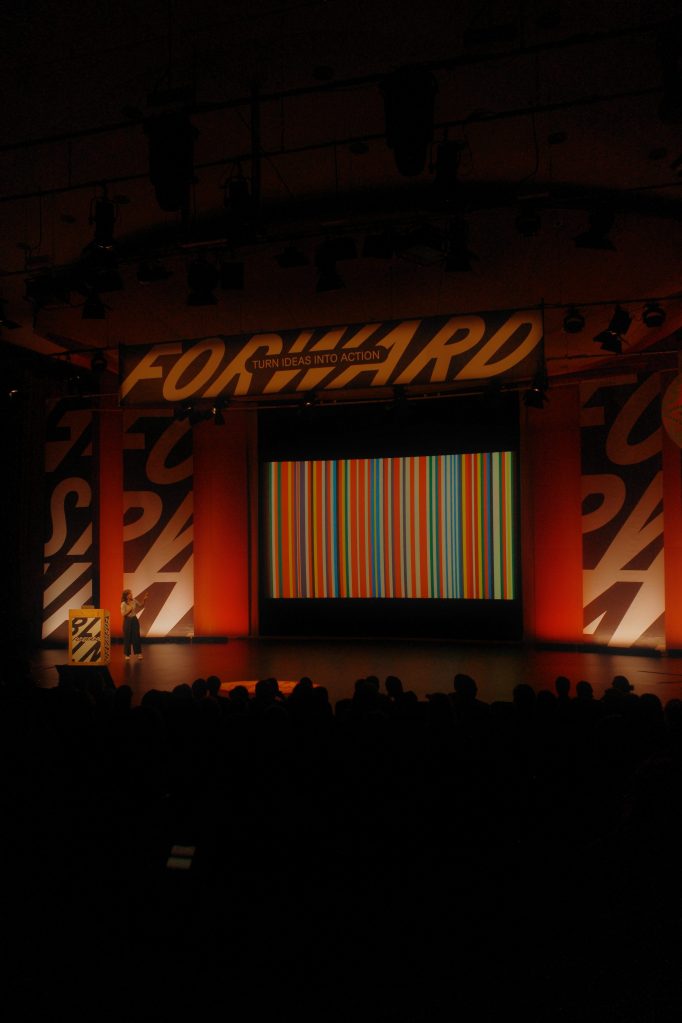
The Good Grief Collective presented “Designing at the edges of life,” an exploration of how we experience endings. Unlike beginnings, they observed, endings often call for community and patience rather than speed and efficiency—which explains why, as a society, we tend to avoid them.
Presenter Anne Meekers shared the tragic experience of the stillbirth of her daughter, Coco. It was easily the bravest twenty minutes of the festival. Her story challenged us to design with more empathy and care for people moving through grief, loss, and other periods when efficiency is beside the point.
(Ed. Note: For design concepts tailored to readers dealing with grief, fear, and other atypical web-user emotions, see Design for Real Life by Eric A. Meyer and Sara Wachter-Boettcher.)
Use your heart
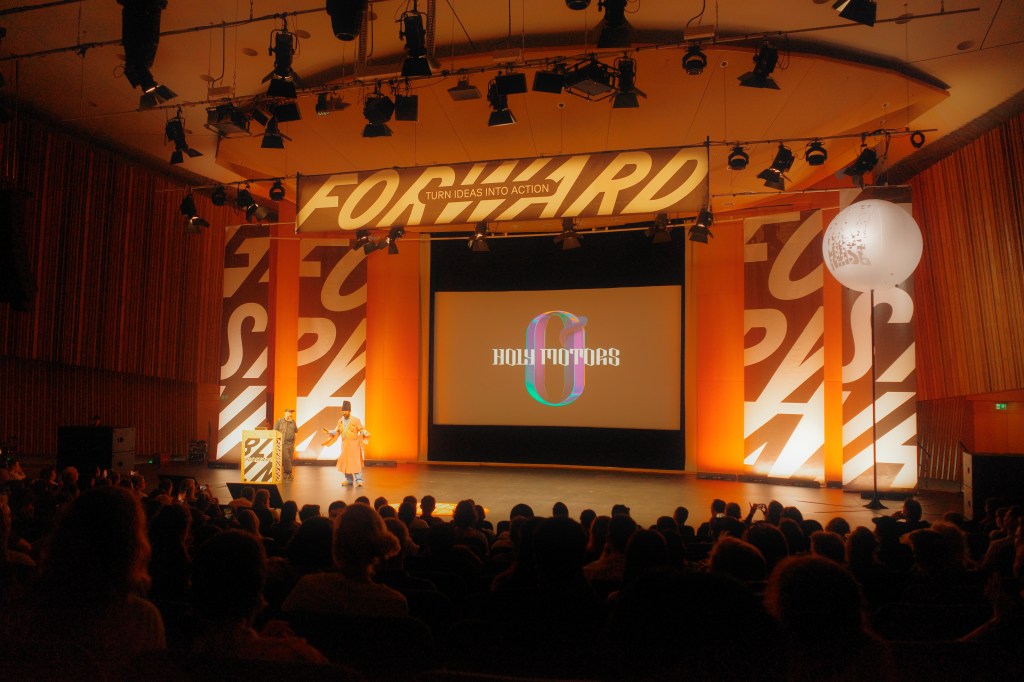
Holy Motors, a creative agency from Tbilisi, gave a colorful account of their convention-pushing campaign work. The studio helped elect a local politician by advertising his phone number; led a grassroots campaign supporting Ukraine by co-opting everyday Tbilisi street signs; and turned traditional headscarves into banners of pride celebrating women who had survived cancer.
The affection they brought to both their presentation and their work was captivating, and it illustrated an important lesson: style can be alluring, but ideas executed with conviction create meaning. And meaning moves people.
Belief is strategy
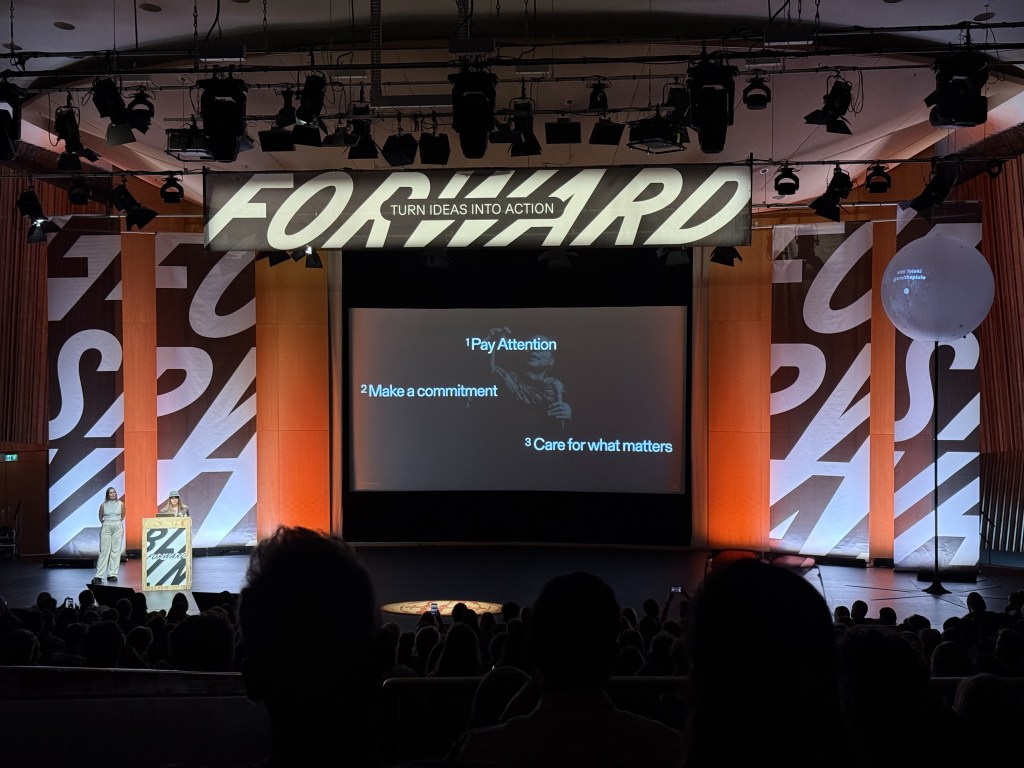
Stockholm-based design studio EY Doberman explained the values that drive their work using a three-part idea of love drawn from the philosopher bell hooks:
- Pay attention.
- Make a commitment.
- Care for what matters.
They presented a case study for each and ended with a piece of advice: “Believe in something, and make that belief your competitive advantage.”
It was a useful reframing of values. They’re not something to talk about after the strategy has proved itself. What you choose to care about from day one can actually be the winning strategy.
Good stories get remembered
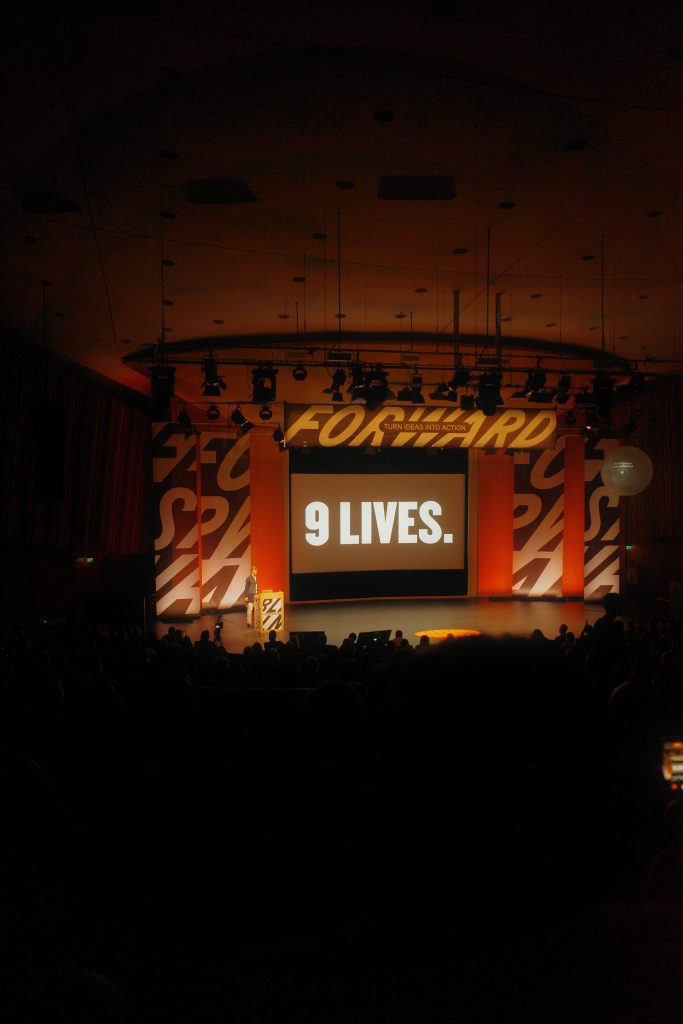
Stefan Sagmeister told the story of what he called the single worst job of his life, ever: designing the cover of Aerosmith’’s 1997 album Nine Lives. What started as a dream project quickly devolved into a nightmare.
The job involved threats from a litigious fringe group, kittens in bikinis, endless rounds of feedback on type set letter by letter with an X-Acto knife, a research trip to India, an entirely new concept, and a $500,000 copyright settlement.
The story was so well told that even working with an iconic rock band somehow felt relatable to everyone in the room. Design work often gets reduced to its final artifact, but in this case the finished cover was almost beside the point. What stuck with us was being in his shoes along the way.
The best conversations happened between sessions
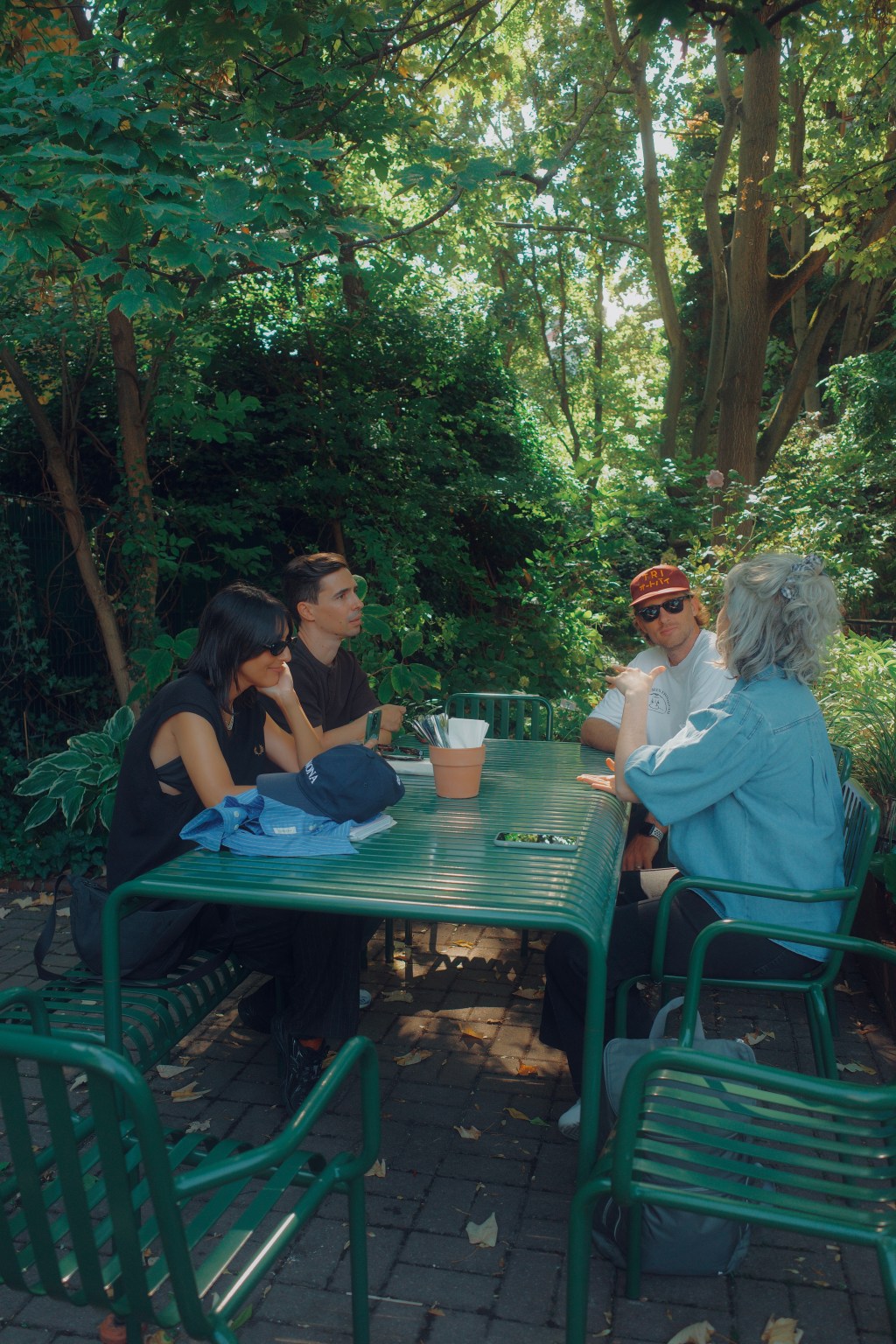
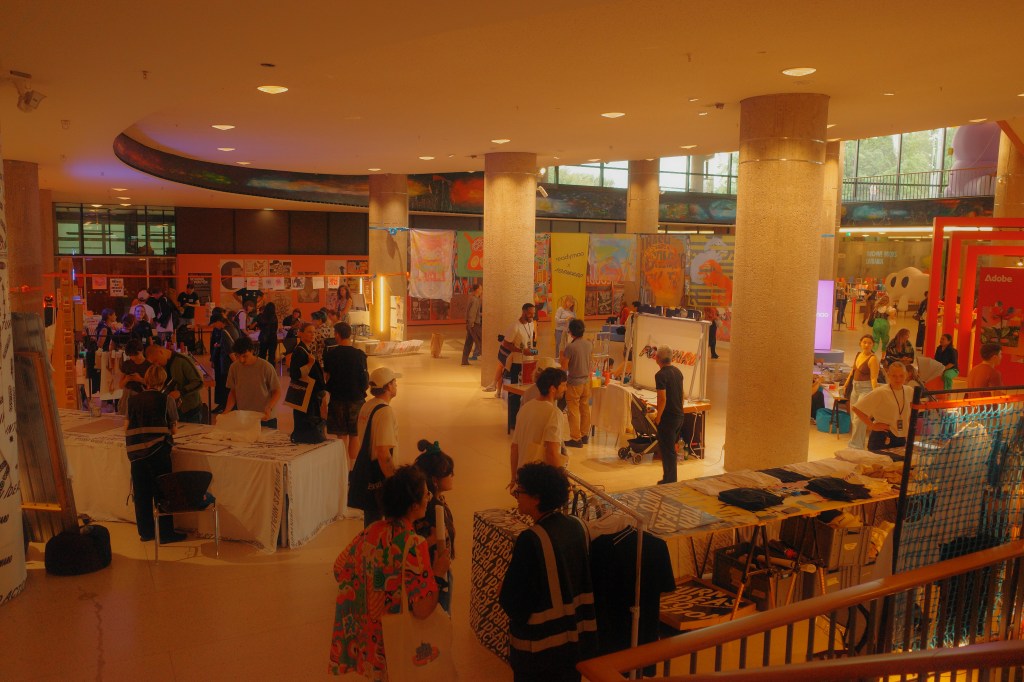
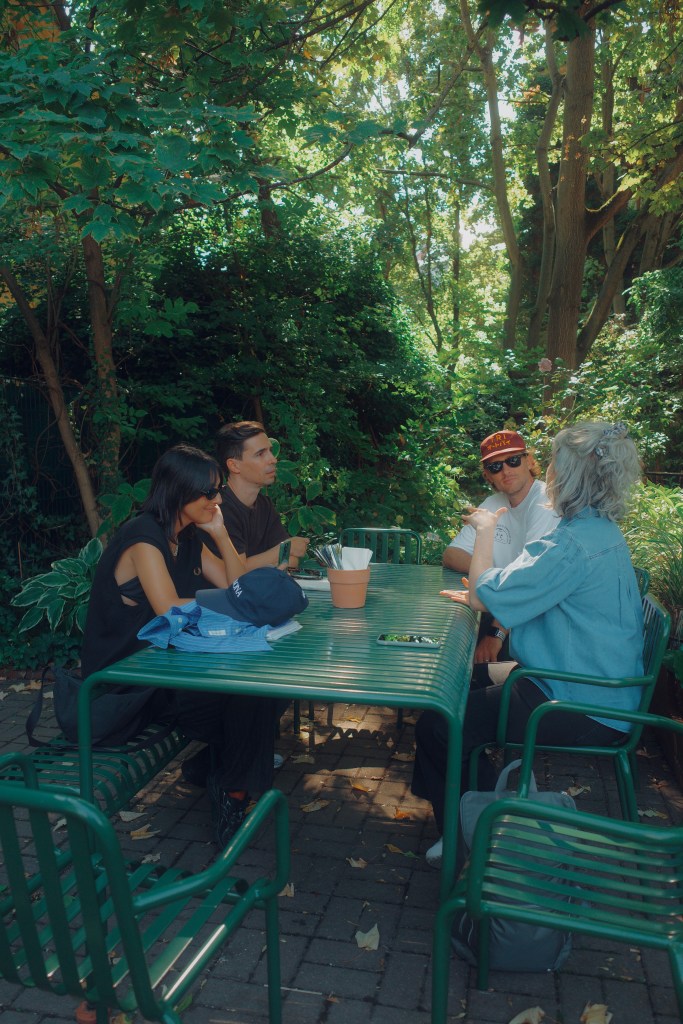
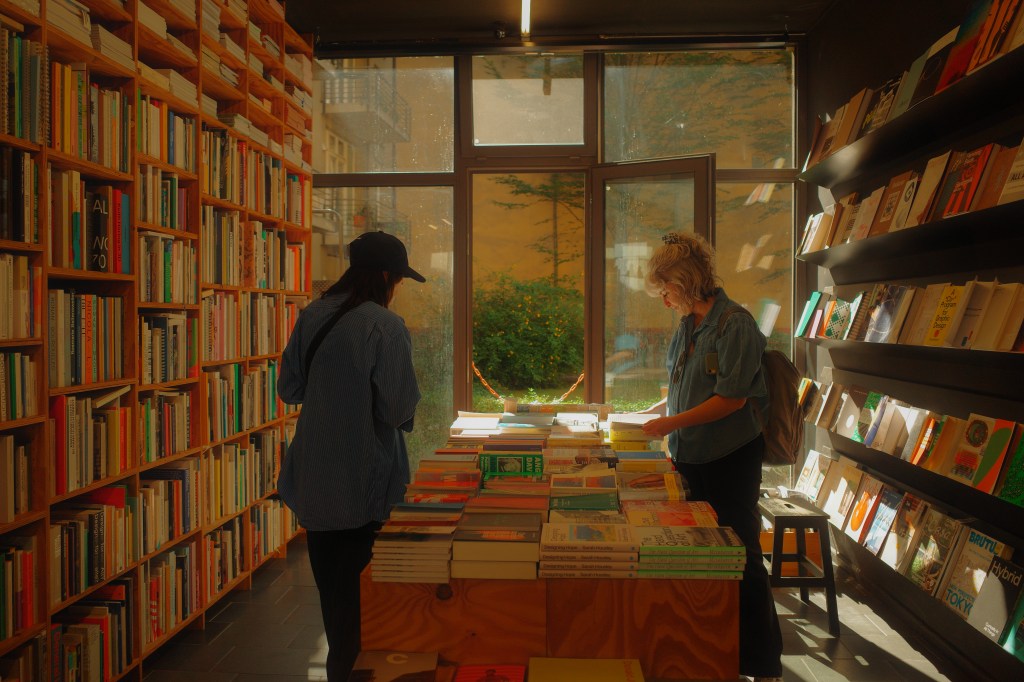
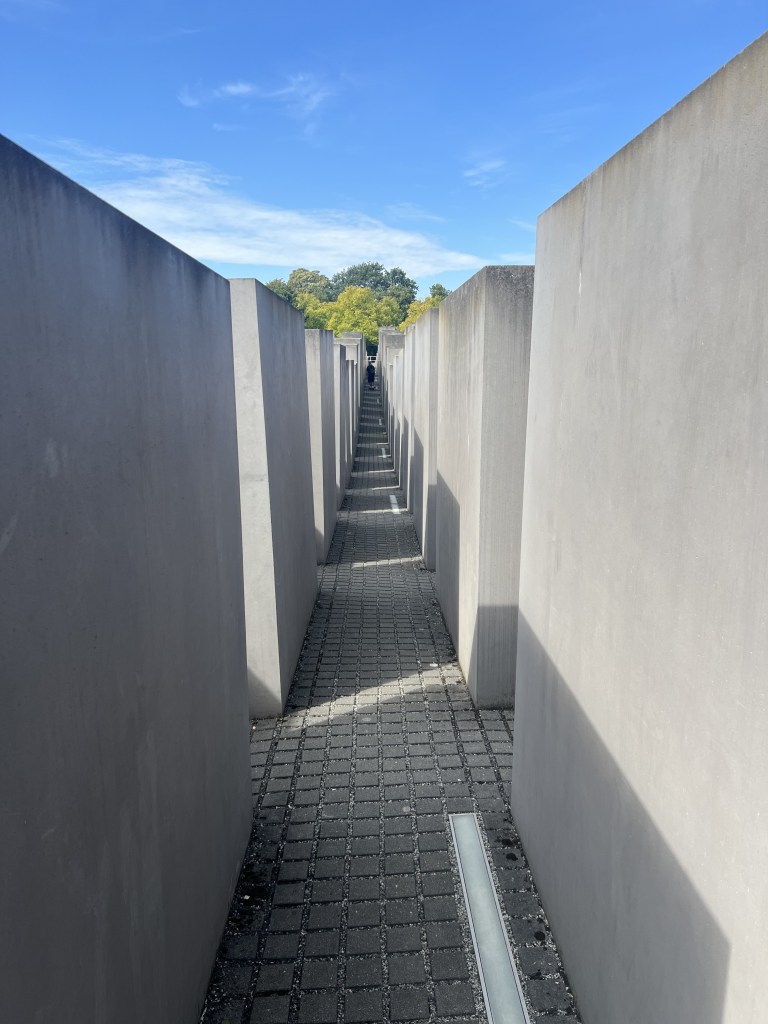
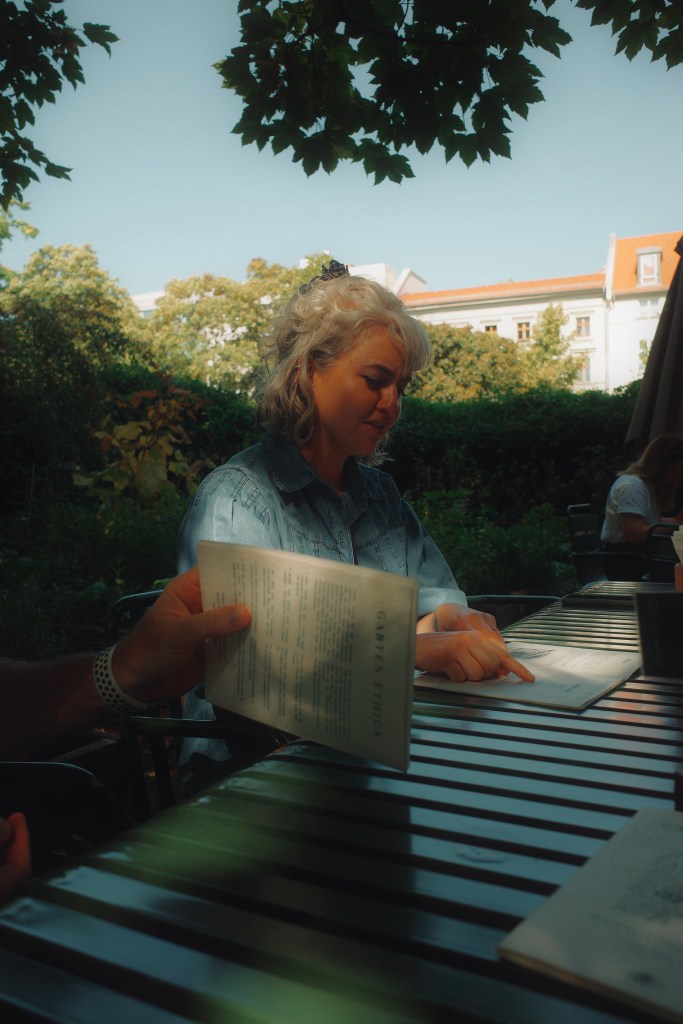
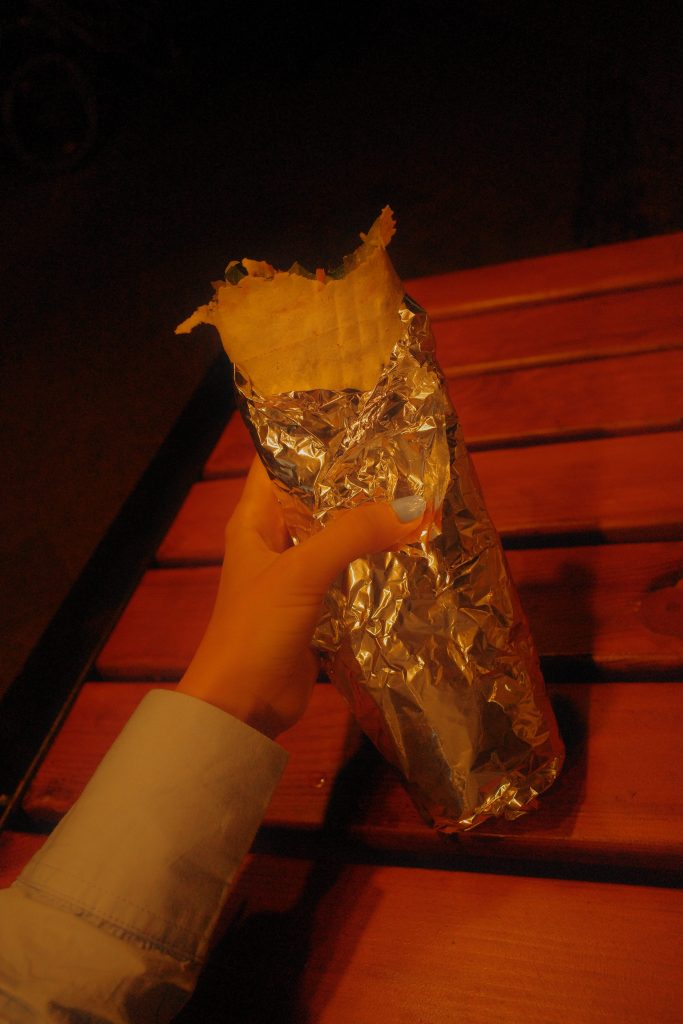
Automattic designers come from a wide range of backgrounds and cultures throughout the world. Sharing this experience in Berlin gave us a time to get to know each other better and appreciate our commonalities and differences alike. The talks at Forward Festival provoked questions we likely wouldn’t have discussed on our own, and challenged assumptions that normally go unquestioned. This final insight didn’t come directly from the stage, but proved itself over and over throughout the week. Conversations over massive kebabs and walks along the Spree River made it easy to listen generously, understand more fully, and remember that good design begins with understanding and appreciation for other people’s experience.


Leave a Reply