

As a visual designer, I always found its constraints limiting, and the theme showcase quality often reinforced my attitude. I knew great designs were possible and top-notch developers were available, but finding folks as detail-oriented as I am was demanding and expensive. The idea of delivering professional functionality wrapped in good taste felt, frankly, incompatible with WordPress.
Then, I joined Automattic.
A Familiar Start
As a member of the Themes team, I was surprised to find a workflow that felt familiar. Like in my freelance days, I would design layouts in Figma, iterate within the squad, and then hand them off to a developer—except this time, I knew I was working with some of the best in the field. It was the dream collaboration I had always hoped for.
Breaking New Ground
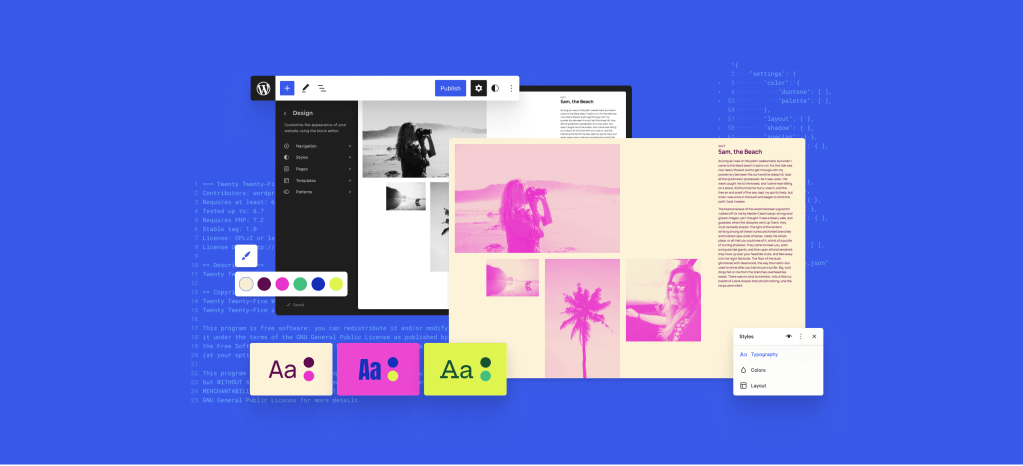
Just months into my time at Automattic, a revolution changed everything. The leadership challenged us to remodel our process and use the Gutenberg editor as our primary design tool. We should shift away from detailed Figma templates and eat our dog food. For someone who lived and breathed pixel-perfect designs, this felt like being asked to sculpt blindfolded. Nevertheless, we did as we were asked.
At first, the limitations were frustrating. But they also gave us the opportunity to directly influence the platform’s evolution. By identifying issues and pushing boundaries, we contributed to making WordPress a more design-friendly space. Week after week, alongside my talented colleagues, I tested and expanded what was possible—working to make WordPress a creative environment that designers like my former self would actually want to use.
Riding Without Training Wheels
After countless themes and continuous iteration, another major shift arrived: We were now entirely and exclusively responsible for designing, reviewing, and launching themes within our squad. Losing the final developer review safety net was daunting, but it pushed us to level up.
We became more attuned to users’ experiences, needs, and frustrations. Instead of working in isolation, we grew more connected to the community. We evolved from theme creators to true WordPress themes ambassadors, equipped to guide anyone through their theme-building journey.
The Results: A More Agile and Inclusive Future
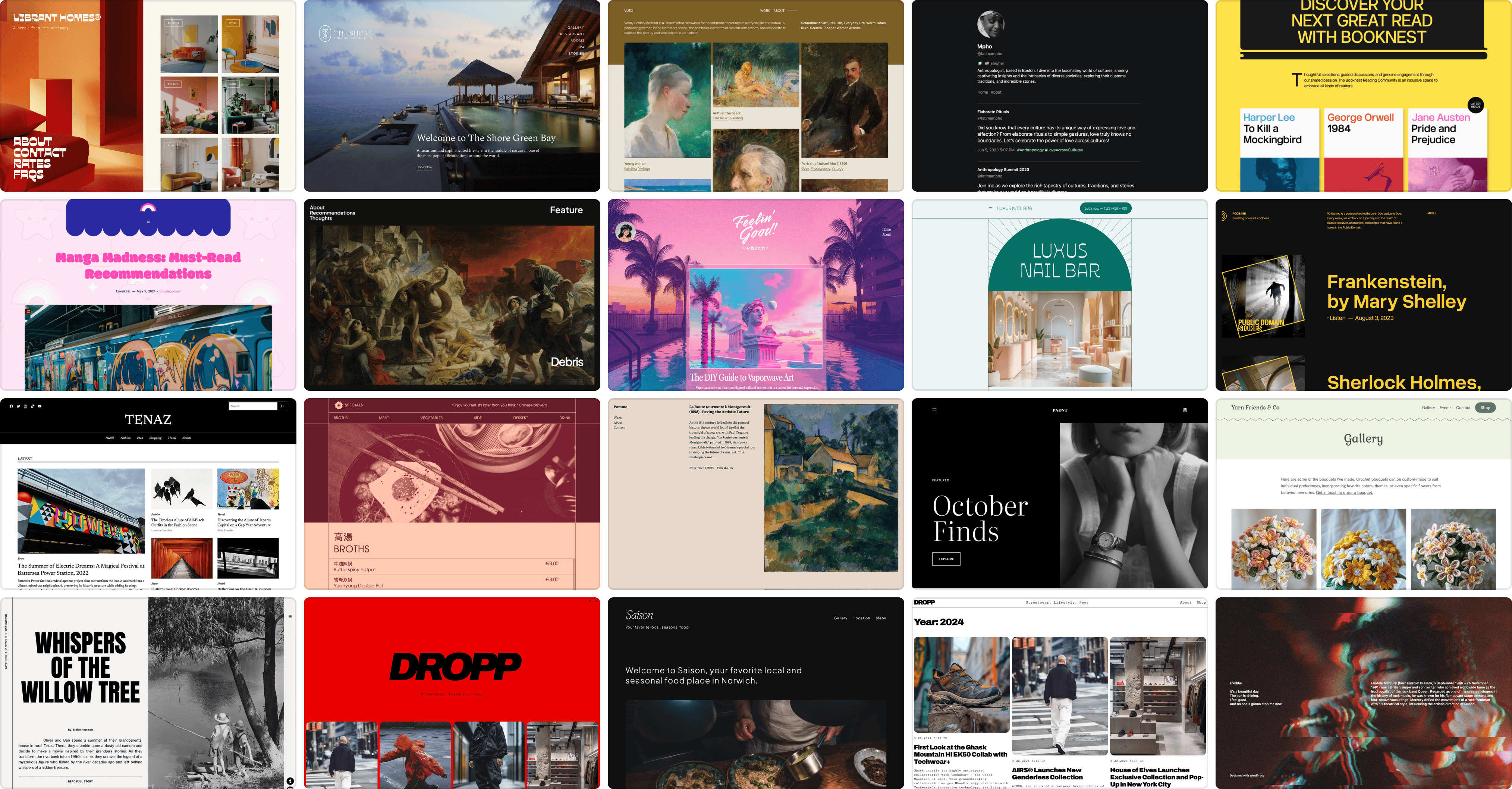
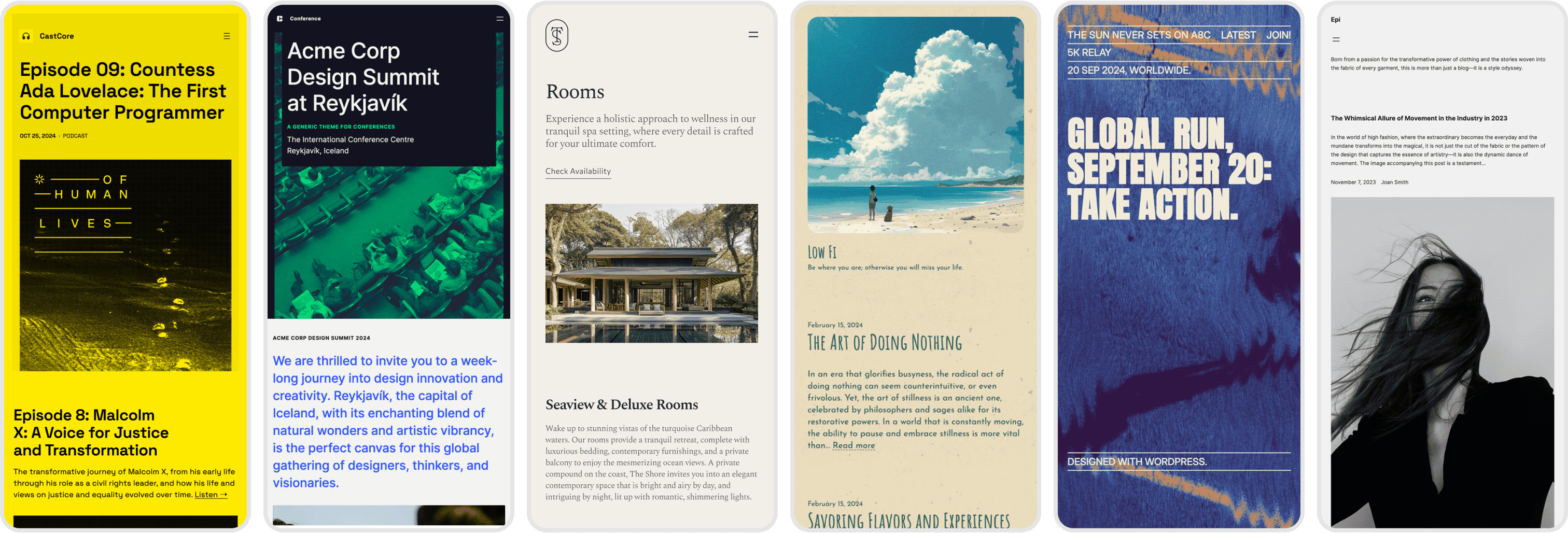
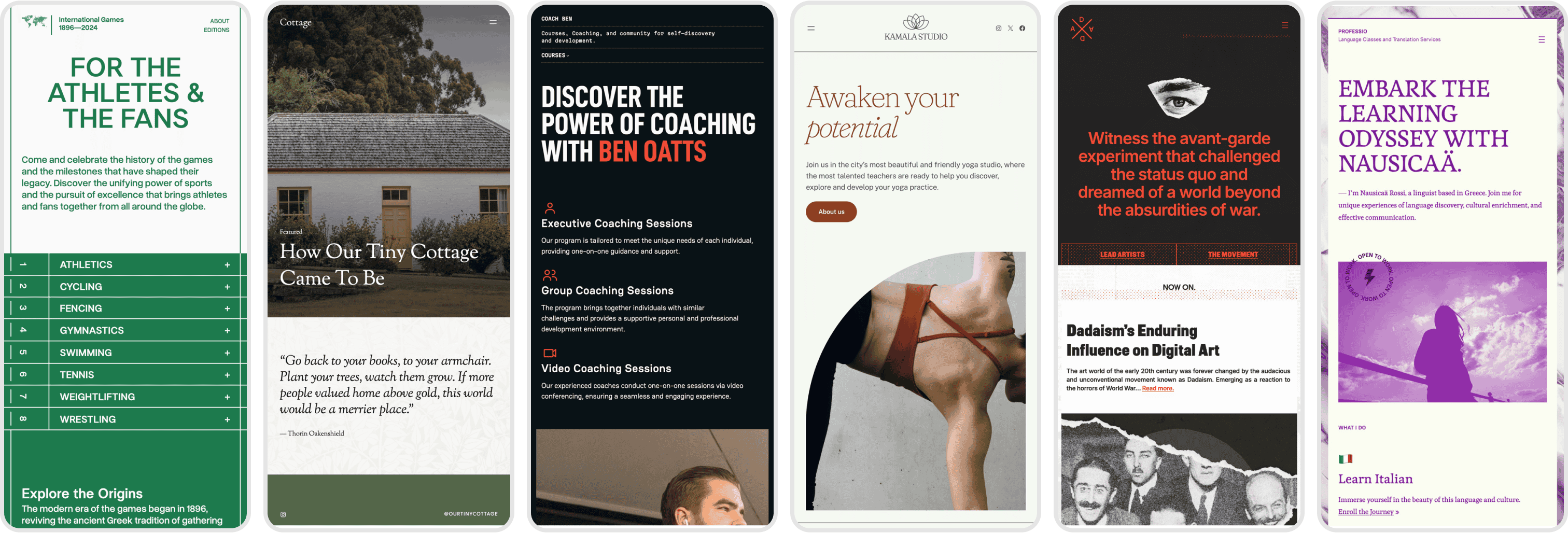
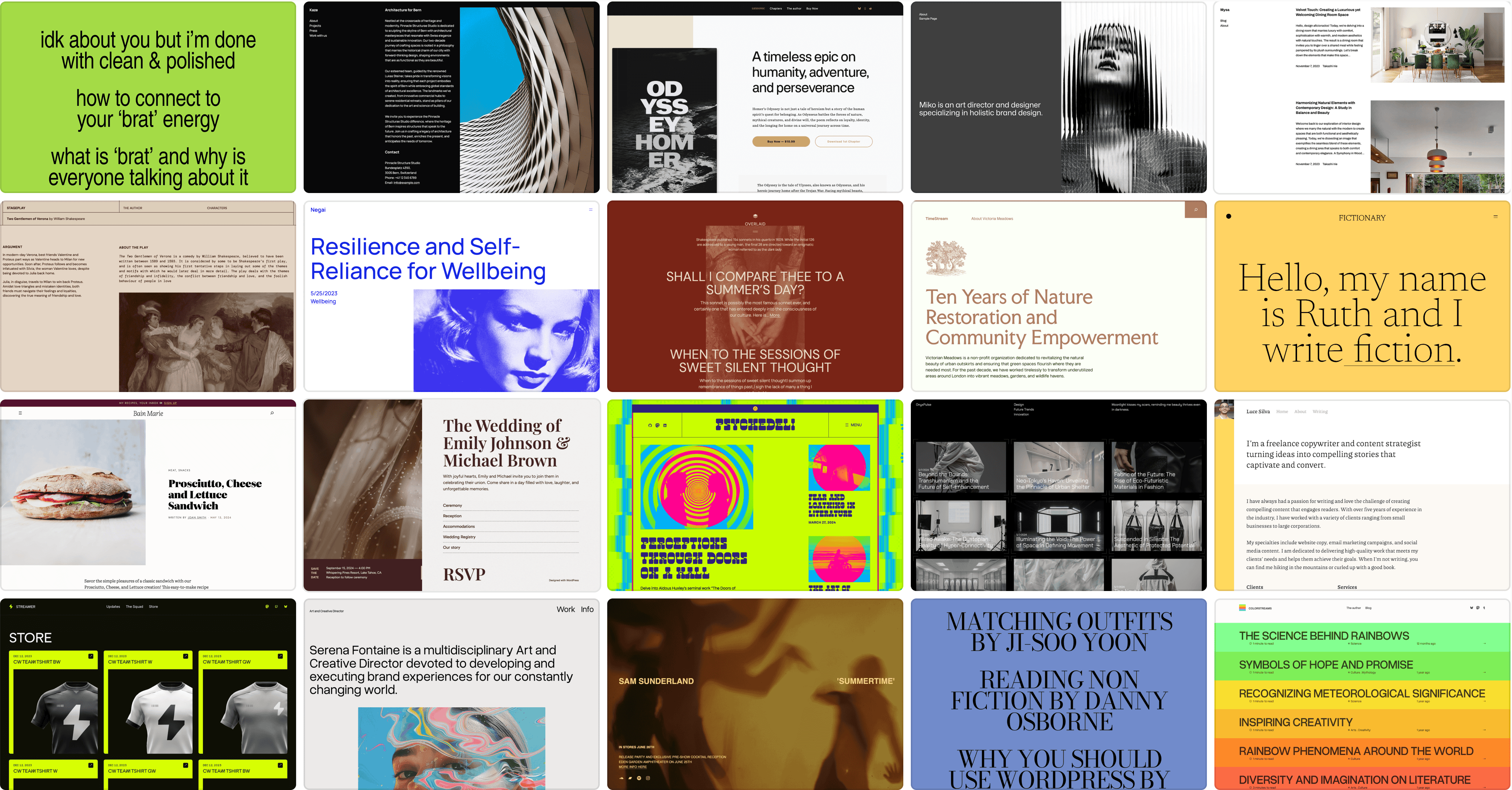
The impact of this transformation is visible in the diversity of themes now available in both the WordPress.org and WordPress.com showcases.
With improved design and review processes, we reduced our launch deadline to two weeks, from inspiration to a showcase debut. This agility granted us more experimentation and the possibility to design for new audiences. Today, we explore fresh niches, learn about user preferences, and plan for a more inclusive ecosystem.
For designers who share my former skepticism:
WordPress isn’t just a platform to adapt to—it’s one you can help shape.
The future of web design is being written in blocks, and there’s room for your signature on every page.


 Automattic Design